 Orange 2 Person 4 Season Tent with Snow Skirt 2.7kg
$249.00 NZD

4 season tent range for NZ winter tramping, alpine camps and cold weather hiking. Snow skirt designs help reduce wind-driven snow, while compact options keep pack weight practical for backcountry use.
Orange 2 Person 4 Season Tent with Snow Skirt 2.7kg
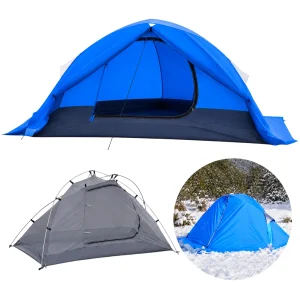 1 Man 4 Season Tent Blue Colour for NZ Winter Camping Just 1.9 kg
 Orange 3 Person 4 Season Tent with Snow Skirt 3.2kg
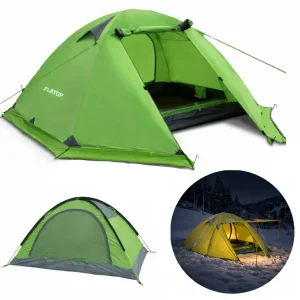 Green 2 Person 4 Season Tent with Snow Skirt 2.7kg
A 4 season tent is designed for colder trips, exposed campsites, winter tramping and alpine-style conditions. Compared with a lighter 3 season tent, the main advantage is extra protection from wind, drifting snow and cold air moving under the fly.
For New Zealand use, this matters on open tops, high country camps, frosty winter valleys and changeable backcountry routes. A lower fly and snow skirt can help block wind at ground level. As a result, your sleeping bag and mat can work more effectively through the night.
A snow skirt sits around the lower edge of the fly. It helps block wind, spindrift and loose snow from pushing under the tent. This can be useful near exposed ridges, alpine lakes, open campsites and colder valleys where wind direction can change overnight.
However, a snow skirt can also reduce airflow. Because of this, ventilation still matters. Keep vents open when conditions allow, and avoid sealing the tent too tightly unless wind or snow makes it necessary.
The smaller shelters in this range suit solo use or compact winter camping where pack size and weight matter. They are a practical choice when one person wants stronger weather protection without carrying a large tent.
The larger 3 person model gives more internal room. It suits two people with bulky winter gear, or three people when pack weight is shared. The extra space also helps when wet clothing, boots and packs need to stay protected overnight.
For NZ trips, this type of shelter is most useful on exposed routes such as the Tararua tops, Ruapehu area, Nelson Lakes, Canterbury high country and other places where wind can change quickly.
A winter tent is not always the best choice for warm summer camping. It can feel hotter than a more open 3 season design. It may also build up more condensation if airflow is limited.
For mild summer trips, Great Walks in settled weather, or lowland camping, a lighter hiking tent may be more comfortable. If pack weight is your main concern, compare this range with our ultralight tents. For general tramping and camping, see the wider hiking tents range.
A strong shelter is only one part of a safe winter setup. Match it with a warm sleeping bag, an insulated sleeping mat, strong pegs, secure guy lines and a careful campsite choice. Also check the forecast, track alerts and avalanche risk before committing to exposed winter routes.