
 Universal fit Strap On Cramp Ons for Shoes & Hiking Boots Vuno Eisen
$39.99 NZD
Universal fit Strap On Cramp Ons for Shoes & Hiking Boots Vuno Eisen
$39.99 NZD
Vuno Crampons include microspikes, flexible slip-on traction aids, and full strap-on designs for firmer snow and longer exposure. If you hike above the bush line in winter, pack traction. Ice can form fast on popular tracks, so compact spikes can prevent a nasty fall.
Popular Right Now
Universal fit Strap On Cramp Ons for Shoes & Hiking Boots Vuno Eisen
$39.99 NZD
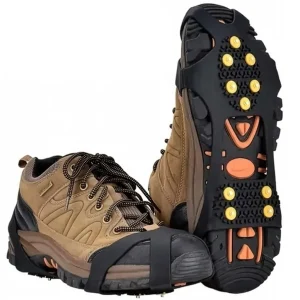 Microspikes for Extra Traction when Hiking on Ice 5 Sizes Available
$24.99 NZD
Microspikes for Extra Traction when Hiking on Ice 5 Sizes Available
$24.99 NZD
 Flexible Crampons 18 Teeth Vuno UCO Large EU 41-46 | US 7-12 285 grams
$39.99 NZD
Flexible 18 Teeth Crampons Vuno UCO Medium Size EU 36-40 6-9
$39.99 NZD
Flexible Crampons 18 Teeth Vuno UCO Large EU 41-46 | US 7-12 285 grams
$39.99 NZD
Flexible 18 Teeth Crampons Vuno UCO Medium Size EU 36-40 6-9
$39.99 NZD
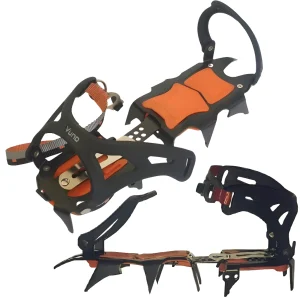 Adjustable Crampons Vuno Extreme 12 Teeth US 6–13.5
$169.00 NZD
Adjustable Crampons Vuno Extreme 12 Teeth US 6–13.5
$169.00 NZD
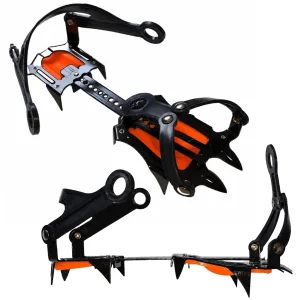 10 Tooth Strap-On Crampons Vuno Capricorn US 6–13.5 Orange
$129.00 NZD
10 Tooth Strap-On Crampons Vuno Capricorn US 6–13.5 Orange
$129.00 NZD
Product Range
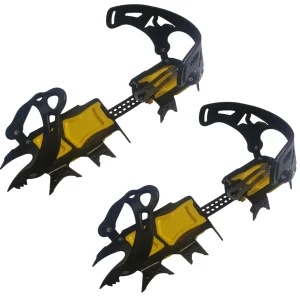 18 Teeth Crampons Vuno Hardcore Manganese Steel US 6–14
$229.00 NZD
Adjustable Crampons Vuno Extreme 12 Teeth US 6–13.5
$169.00 NZD
 Micro Spikes Traction Cleats for Hiking – Large US 8–11 EU 38–42
$24.99 NZD
Flexible 18 Teeth Crampons Vuno UCO Medium Size EU 36-40 6-9
$39.99 NZD
 Micro Spikes Traction Aids for Icy Tracks – X-Large US 11–14 EU 42–46
$24.99 NZD
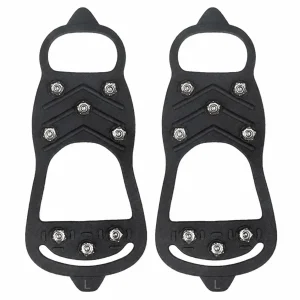 Ice Grips for Shoes – 8 Stud Black TPR Traction Cleats1 Pair Large Size EU 41-45
$19.99 NZD
 Microspikes Emergency Mini Spikes – XX-Large US 13–15 EU 46–50
$24.99 NZD
Universal fit Strap On Cramp Ons for Shoes & Hiking Boots Vuno Eisen
$39.99 NZD
 Pocket Microspikes for Hiking – Small US 3–6 EU 33–35
$24.99 NZD
 Microspikes Hiking Ice Spikes – Medium US 5–8 EU 35–38
$24.99 NZD
10 Tooth Strap-On Crampons Vuno Capricorn US 6–13.5 Orange
$129.00 NZD
 Strap On Crampons Vuno Capricorn 10 Teeth US 6–13.5 Yellow
$129.00 NZD
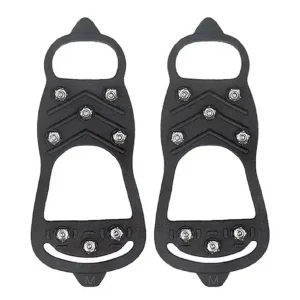 Ice Grips for Shoes – 8 Stud Black TPR Traction Cleats1 Pair Medium Size EU 30-40
$19.99 NZD
Flexible Crampons 18 Teeth Vuno UCO Large EU 41-46 | US 7-12 285 grams
$39.99 NZD
Crampons NZ Buyer’s Guide
Choosing crampons depends on the terrain, snow hardness, slope angle, footwear and expected time on ice. Tooth count alone does not determine which model is suitable.
For example, the flexible 18-tooth models use shorter traction points and a stretchable harness. In contrast, the Vuno Hardcore has a rigid steel frame and much longer spikes. Therefore, these two 18-tooth designs suit very different conditions.
Microspikes for Icy Tracks and Packed Snow
Vuno microspikes suit maintained tracks, packed snow, light ice and short frozen sections. Their flexible outer harness fits over hiking shoes or boots.
They are the most compact option in this winter traction range. Therefore, they suit day walks where extra grip may only be needed for part of the route. Five sizes are available for different footwear sizes.
Microspikes are not a replacement for rigid alpine traction gear on steep, firm snow. Their smaller points provide less penetration and support on hard slopes.
Four-Point Strap-On Traction Aids
The Vuno Eisen strap-on traction aids use four steel teeth and a stretchable rubber frame. They weigh approximately 217g with their carry bag.
This model suits low-angle icy surfaces, frosty access tracks and short frozen sections. It can also provide extra grip during everyday winter walking.
However, the four-point design is not intended for steep alpine slopes, prolonged ice travel or technical mountaineering.
Flexible 18-Tooth Traction Aids
The Vuno UCO flexible models are available in medium and large sizes. They weigh approximately 275g to 285g, depending on size.
The rubber frame stretches around footwear, while 18 shorter steel points provide grip under the foot. Consequently, they suit unexpected ice, brief snow crossings and routes where low pack weight matters.
Choose these when snow or ice may occur but is not expected throughout the day. They are not designed for extended use on steep, hard-frozen terrain.
Vuno Capricorn 10-Tooth Model
The Vuno Capricorn uses an adjustable metal frame, binding straps and points up to 2.5cm long. It weighs approximately 600g with its storage bag.
This is the lightest full-frame option in the range. It suits hikers who need more support than flexible traction aids but still want to limit pack weight.
The adjustable frame fits approximately US size 6 to 13.5 footwear. Nevertheless, sole width and boot shape can affect the final fit.
Vuno Extreme 12-Tooth Model
The Vuno Extreme is a stronger intermediate option. It uses twelve 4cm spikes and weighs approximately 1.2kg.
Choose this model for firmer snow, longer icy sections and more demanding winter routes. The extra points and longer spikes provide greater surface contact than the Vuno Capricorn model.
The frame adjusts without a separate hex key and fits approximately US size 6 to 13.5 footwear.
Vuno Hardcore 18-Tooth Model
The Vuno Hardcore Crampons are the most substantial option in this range. It has a rigid manganese steel frame and weighs approximately 1.3kg.
The 5.5cm front spikes and 3.68cm side spikes suit prolonged firm snow, refrozen slopes and steeper frozen surfaces. Its adjustable 22cm to 32cm frame fits approximately US size 6 to 14 footwear.
Choose the Hardcore model when traction and longer spikes matter more than pack weight. The 12-tooth model remains the better middle option, while the 10-tooth model saves considerable weight.
Choosing the Correct Size and Footwear
- Check the stated footwear size range before selecting a model.
- Test the traction gear with the exact boots intended for the trip.
- Allow for thick winter socks and the shape of the boot sole.
- Check that the frame cannot twist or move underneath the boot.
- Use sturdy footwear with rigid metal-frame models.
- Practise fitting and removing the bindings before leaving home.
Footwear size provides only a starting point. Boot width, toe shape, heel shape and sole stiffness also affect compatibility.
Safety in New Zealand Alpine Conditions
Winter traction gear provides grip, but it does not make an unsuitable route safe. Steep snow and ice require correct techniques, route judgement and suitable supporting equipment.
The DOC alpine snow gear list advises using equipment suited to your boots. Depending on the route, an ice axe, helmet, avalanche equipment and emergency gear may also be required.
The New Zealand Mountain Safety Council alpine safety resources cover equipment fitting, walking techniques, route selection and self-arrest skills.
Before travelling, check the weather, track conditions and New Zealand Avalanche Advisory. Turn back when the terrain, surface or weather exceeds your equipment and experience.
Care After Use
- Remove snow, mud and grit after each trip.
- Dry all steel components thoroughly before storage.
- Inspect straps, rubber sections, bindings and adjustment mechanisms.
- Store the points facing inward inside the supplied carry bag.
- Replace damaged or heavily worn parts before the next trip.