 Gas Stove Set for Hiking and Camping 9 Piece Set for Two People 587 grams
$99.99 NZD

Stoves for hiking in NZ, with compact gas, alcohol and wood stove options for tramping, camping and multi-day trips. Select a lightweight cooking setup based on fuel type, trip length and conditions.
Gas Stove Set for Hiking and Camping 9 Piece Set for Two People 587 grams
 Compact Wood Stove Stainless Steel Collapsible Bushcraft Cooker 260g
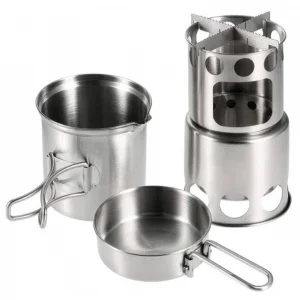 Wood Burning Camping Stove Set 650 grams – Uses Natures Fuel to Cook
 Alcohol Stove with Wind Shield 200g – Lightweight Gas Alternative
 Alcohol Stove Set with Pot Pan and Windshield 689g – Gas Alternative
 Backpacking Stove with Built in Ignition Switch 10,500 BTU Gas 182g
 Mini Alcohol Burner Stove Hiking Camping 32 grams – Alternative to Gas
 Stove for Hiking 10,200 BTU Gas Lightweight Backpacking Just 100g
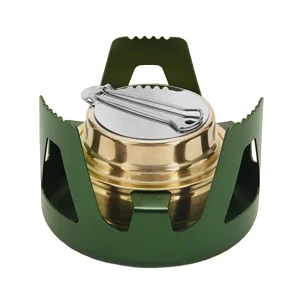 Alcohol Stove Vuno AS2 154g Methylated Spirits Hiking Cooker with Support and Carry Bag
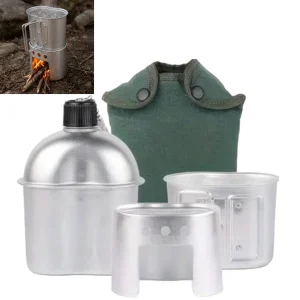 Canteen Stove Vuno Wood Burning Set 435g with 1L Canteen, 600ml Cup and Storage Bag
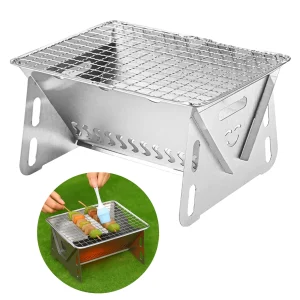 Mini BBQ Grill for Hiking Lightweight Portable Charcoal Grill for Outdoor Cooking
The best stove for hiking depends on where you are going, how many people you are cooking for, and how much fuel you want to carry. This range includes gas stoves, alcohol stoves, wood stoves, stove sets and a mini BBQ grill.
Gas stoves are usually the most practical choice for NZ tramping. They heat quickly, give good flame control and are easy to use after a long day on the track.
The lightweight 100g gas stove suits solo hikers who want to keep pack weight low. The 10,500 BTU gas stove with built-in ignition is better when you want easier lighting and a wider cooking surface.
The gas stove set is a good option when two people need a more complete cooking setup. It can suit camping trips, shared meals and hikers who want matching cookware included.
Alcohol stoves suit hikers who want a quiet, compact and simple cooking system. They are a good option for boiling water, making hot drinks and cooking basic meals.
One benefit of an alcohol stove is fuel control. You can carry a measured amount of methylated spirits instead of packing a full gas canister. This can reduce bulk on short trips and help avoid part-used gas canisters after a hike.
The mini alcohol burner is the lightest option in this range. The larger alcohol stove and alcohol stove set give more support and a more complete cooking setup for camp use.
Wood stoves can be useful for camping, bushcraft and backup cooking when local fire rules allow solid fuel use. They can use small dry sticks or other suitable solid fuel, so you do not need to carry gas.
The compact wood stove suits small cooking tasks. The 650g wood burning stove set is better when you want a stove, pot, pan and bag together. The mini BBQ grill suits simple outdoor grilling with charcoal or approved solid fuel where permitted.
Always check local fire rules before using any stove outdoors. This is especially important during dry weather, high fire danger, fire bans or when camping on public conservation land.
Gas burners and enclosed liquid fuel stoves are usually the safest choice for many NZ tramping trips. Portable stoves using solid fuel such as wood, charcoal, pellets or coal are not permitted on public conservation land, so check the rules before relying on a wood stove or grill.
For multi-day hikes, test your stove before leaving and work out how much fuel you need per meal. Allow extra fuel for cold weather, wind, larger meals and longer cooking times.
Carry fuel safely, keep it away from food and clothing, and never cook inside a tent, bivvy bag, vehicle or enclosed shelter. Let the stove cool fully before packing it away.